GET 12% OFF ON ORDERS OF $500+ PROMO CODE: WEB-12

At 4Tires.ca, we focus on providing discount tires to help you find the best tires, always at the best price on the market. Our goal is to offer you affordable and high-performance tires, no matter the season.
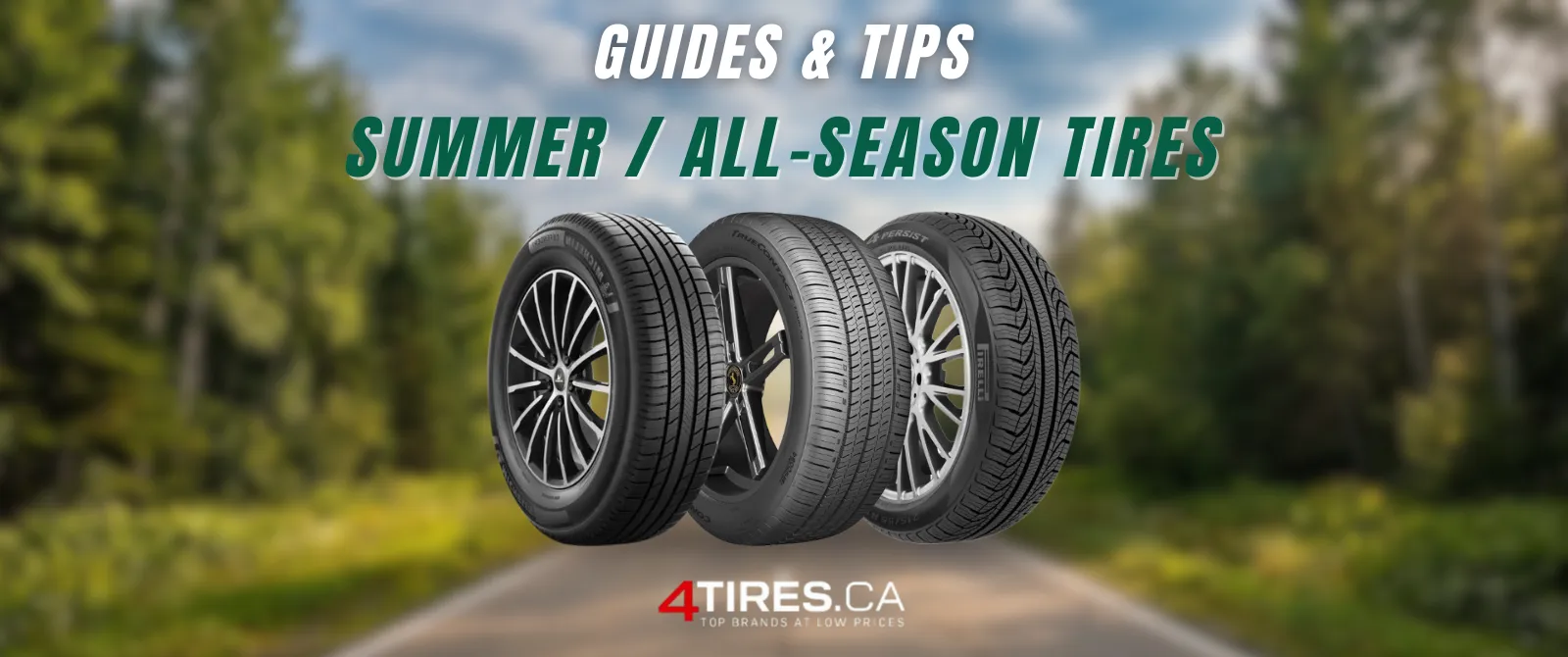
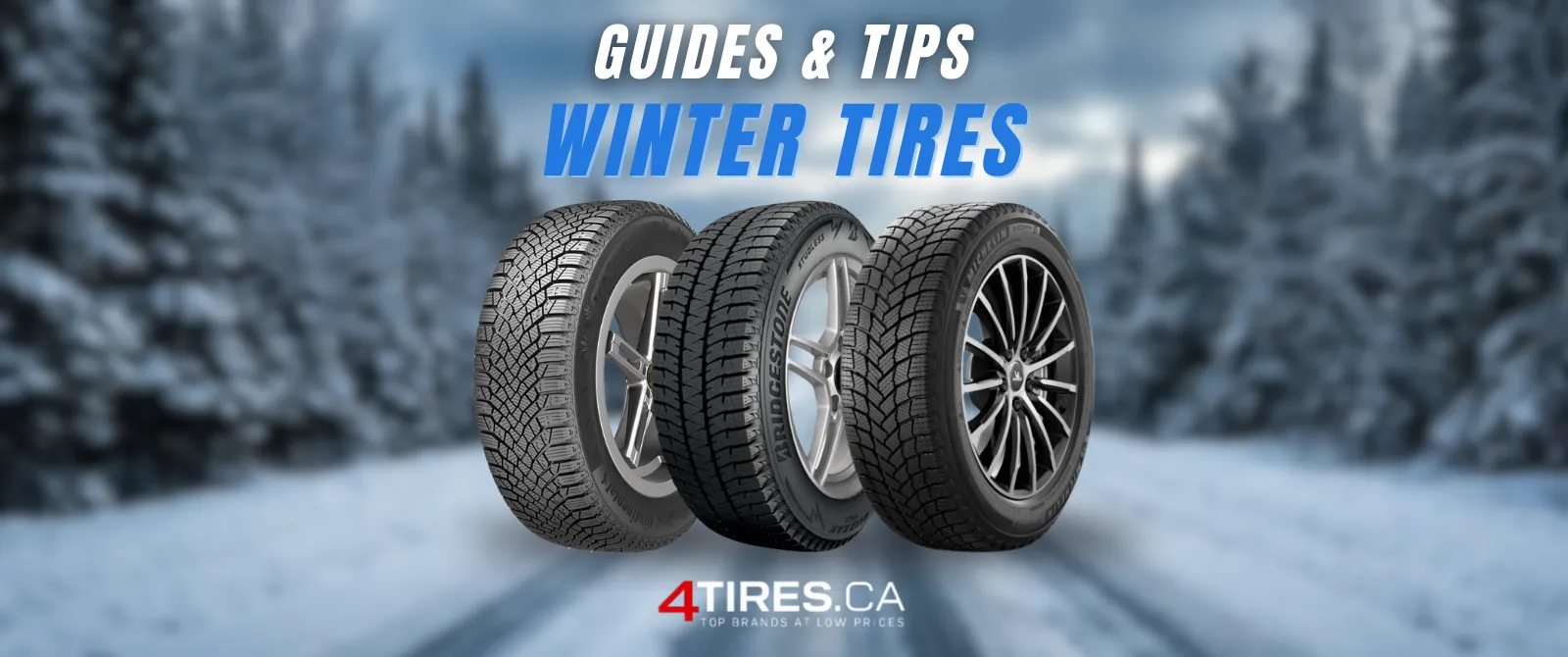
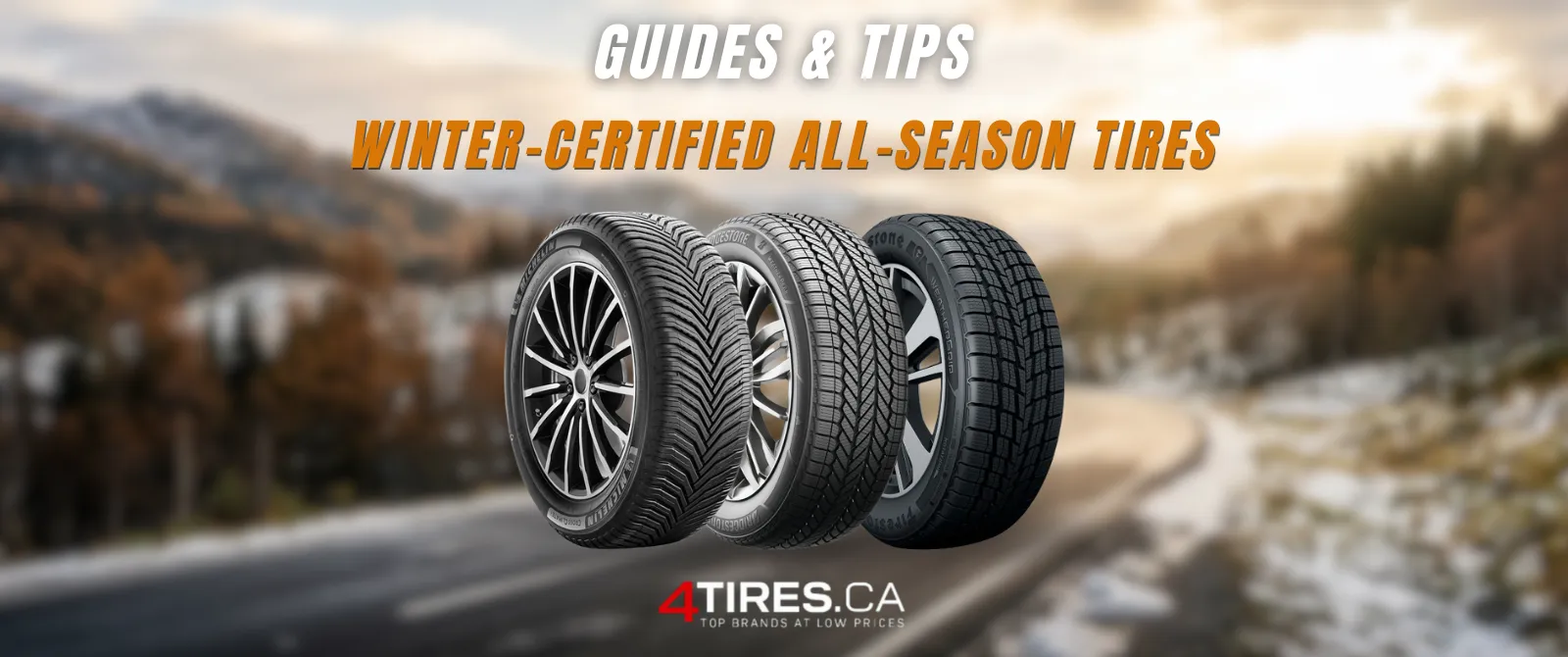
On this page, you’ll find clear buying guides to help you make an informed choice:
Compare models easily and choose tires suited to your vehicle and your budget. With 4Tires.ca, you get the best tires at the best price on the market, without the hassle.
What tires should I choose for driving in Canada?In Canada, choosing the right tires depends on the season, your annual mileage, your vehicle and the road conditions you drive on. Winter tires are designed to improve traction on snow, ice and cold pavement when temperatures fall below 7°C. Summer tires provide shorter braking distances and stronger handling in warm weather. Winter-certified all-weather tires are also becoming a popular year-round option for many Canadian drivers.
When should I install winter tires in Canada?Winter tires should generally be installed once temperatures consistently drop below 7°C. At colder temperatures, summer tire rubber hardens and loses grip, even before the first snowfall. Winter tire regulations vary across Canada, but provinces like Quebec legally require winter tires during the winter season for improved safety on snowy and icy roads.
What is the difference between all-season tires and winter-certified all-weather tires?Traditional all-season tires are mainly designed for mild temperatures and are not ideal for harsh Canadian winters. Winter-certified all-weather tires display the mountain and snowflake symbol and remain legal during winter in provinces with winter tire regulations. They offer a practical compromise for drivers looking for year-round convenience without switching tires every season.
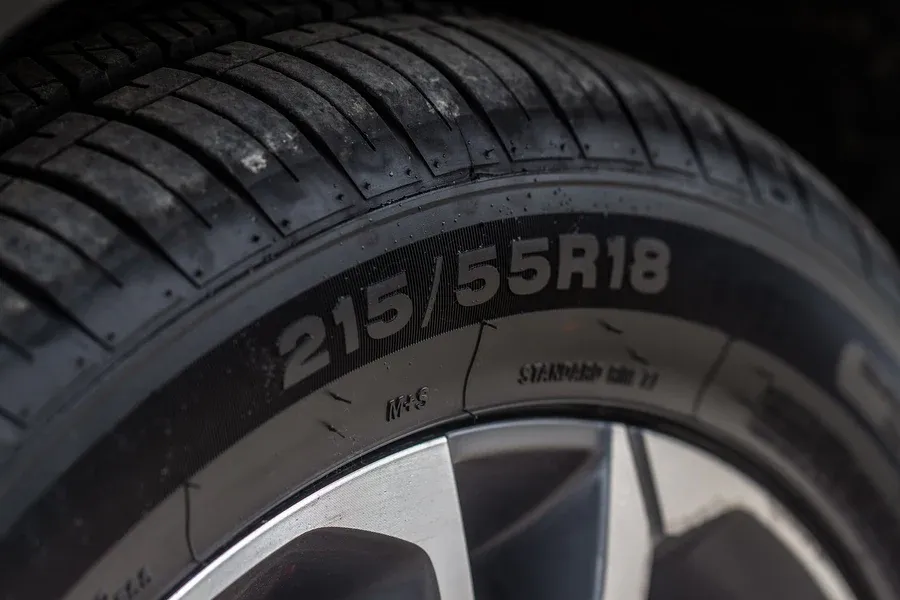
How do I find the correct tire size for my vehicle?Your tire size is printed on the sidewall of your current tires, for example 205/55R16, or on the information sticker located inside the driver’s door. On 4Tires.ca, you can also use the tire finder tool to search compatible tire sizes for your car, SUV or truck anywhere in Canada.
When is the best time to buy tires in Canada?The best time to buy tires in Canada is usually during spring and fall promotional periods. Many tire manufacturers offer mail-in rebates between March and May as well as between September and November. Buying tires before peak seasonal demand often helps drivers get better pricing, better inventory availability and faster shipping on popular tire sizes.
What are the best value winter tires in Canada?The best value winter tires depend on your budget, driving habits and winter conditions. Brands like Nexen, General Tire and Firestone often provide an excellent balance of winter traction, tread life and affordability for Canadian drivers. Premium brands such as Michelin and Bridgestone are often preferred by drivers looking for maximum performance on snow and ice.
How do I know if my tires are worn out?Worn tires reduce traction and increase braking distances on wet, snowy and icy roads. Your tires should be replaced once the tread wear indicators become level with the tread surface. Cracks, uneven wear, vibrations or reduced grip can also indicate that your tires should be inspected or replaced.
Are Chinese tires good for Canadian winters?Some Chinese tire brands can offer good value for drivers on a tighter budget, especially for city driving. However, winter traction, tread life and road noise can vary significantly depending on the model. Canadian drivers should look for winter-certified tires with the mountain and snowflake symbol and compare customer reviews before buying.
How long do tires usually last?Tire lifespan depends on mileage, maintenance, driving style and road conditions. On average, tires can last between 50,000 and 100,000 kilometres depending on the category and compound. Even if tires still appear to have tread left, they should generally be inspected after about 6 years and replaced around 10 years. The DOT code on the sidewall shows the manufacturing date.
Why buy tires online from 4Tires.ca?Buying tires online from 4Tires.ca gives Canadian drivers access to a large inventory of winter, summer and all-season tires at competitive prices. From our warehouse located in Boisbriand, Quebec, we ship tires across Canada with fast delivery, an easy vehicle search tool and promotions available on many major tire brands.
|
Buying tires in Canada requires special attention due to extreme temperature variations. Whether it’s to comply with regulations or handle changing road conditions, summer and winter, our advice is based on real conditions you face every day.
These guides are written and reviewed by our tire experts with over 10 years of experience in the tire industry in Canada.
BF GOODRICH
BRIDGESTONE
CONTINENTAL
FIRESTONE
GENERAL
GOOD YEAR
MAZZINI
MICHELIN
SAILUN
YOKOHAMA